
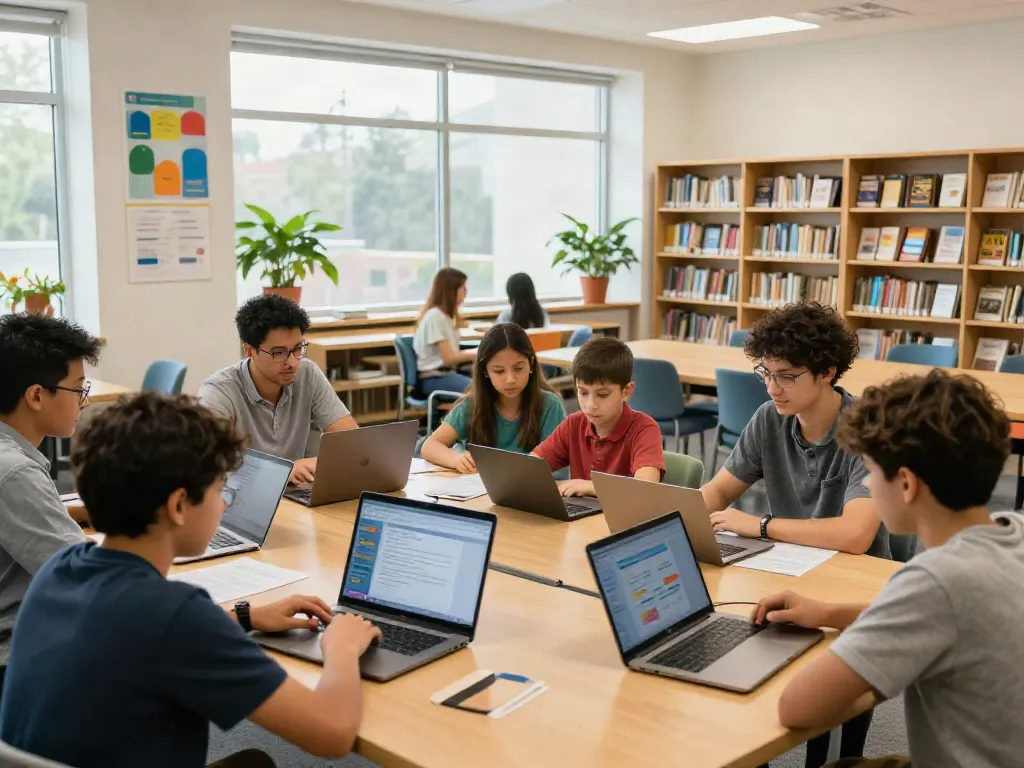
Understanding Special Info in Education
In the realm of education, understanding "special info" regarding learning disabilities and special education is crucial for fostering an inclusive environment. This information not only empowers educators and parents but also helps students navigate the challenges they face. To effectively support students with learning disabilities, it's vital to recognize the resources available, the legal frameworks in place, and the collaborative approaches needed to ensure that every child receives a quality education tailored to their unique needs. For parents and educators seeking authoritative resources, special info provides comprehensive insights into navigating this landscape.
What is Special Info for Learning Disabilities?
Special info refers to specific knowledge and resources related to learning disabilities, which encompass a range of disorders affecting a person's ability to process information. This may include difficulties in reading (dyslexia), writing (dysgraphia), and mathematics (dyscalculia), among others. Understanding these conditions is essential for tailored educational approaches, ensuring that students receive the necessary support to thrive academically.
For instance, students with dyslexia may benefit from phonics-based instruction and personalized reading strategies, while those with dyscalculia might require visual aids and hands-on learning experiences to grasp mathematical concepts effectively. Special info sheds light on these diverse needs, underlining the importance of individualized instruction.
Importance of Accessibility in Education
Accessibility in education is a fundamental right that ensures all students, regardless of their abilities, can participate fully in the learning process. This aspect becomes increasingly relevant when considering the diverse needs of students with disabilities. Accessible educational environments promote equity by providing various accommodations and modifications tailored to each student's unique requirements.
For example, schools can enhance accessibility by implementing assistive technologies, such as text-to-speech software or audiobooks, which help students with reading difficulties engage with the curriculum. Physical accessibility is equally important; classrooms and facilities must be designed to accommodate students with mobility challenges. In doing so, educational institutions foster an environment where every student has the opportunity to succeed.
Key Facts on Special Education Resources
Understanding special education resources is essential for families and educators alike. Here are some key facts:
- IDEA Compliance: The Individuals with Disabilities Education Act (IDEA) mandates that schools provide a free appropriate public education (FAPE) to students with disabilities.
- IEP Development: Individualized Education Programs (IEPs) are created collaboratively between parents and educators to outline specific educational goals and services for the student.
- Support Services: Many schools offer additional support services, including counseling, speech therapy, and occupational therapy, to meet the diverse needs of students.
- Funding Availability: Various federal and state funds are allocated for special education, ensuring that schools have the resources necessary to effectively support their students.
Identifying Learning Disabilities
Common Types of Learning Disabilities
Learning disabilities manifest in various forms, impacting students differently. Some of the most common types include:
- Dyslexia: A specific learning disability that affects reading and language processing.
- Dysgraphia: A condition that impairs the ability to write coherently and legibly.
- Dyscalculia: Difficulty with numbers and mathematical concepts.
- Auditory Processing Disorder: Challenges in understanding spoken language, impacting reading and communication.
Recognizing these conditions early is key to implementing effective interventions, allowing students to develop coping strategies and succeed academically.
Signs and Symptoms to Watch For
Identifying learning disabilities often starts with observing signs and symptoms that may indicate a student is struggling. Common indicators include:
- Difficulty sounding out words or understanding their meanings.
- Problems with organizing thoughts and ideas when writing.
- Struggles with basic math concepts and calculations.
- Frequent misinterpretation of spoken instructions or difficulties following multi-step directions.
Teachers and parents should monitor these signs closely and consult with educational professionals when concerns arise, as timely intervention can significantly impact a child's academic trajectory.
Assessments and Diagnosis Processes
To determine if a student has a learning disability, a comprehensive assessment and diagnosis process is essential. Typically, this entails:
- Screening tools: Initial assessments conducted by educators to identify potential learning issues.
- Formal evaluations: Comprehensive testing by psychologists or trained specialists, which may include IQ testing and achievement tests.
- Observations: Input from teachers and parents regarding the child’s behavior and performance in various settings.
Once a diagnosis is made, it is critical to develop an appropriate IEP to address the student's specific needs effectively.
Navigating Special Education Services
Eligibility Criteria for Services
Eligibility for special education services is dictated by federal and state regulations, commonly guided by the criteria outlined in IDEA. To qualify, a student must demonstrate:
- A documented learning disability or developmental delay.
- A negative impact on their educational performance due to the disability.
Once eligible, students are entitled to receive tailored educational programming and services designed to support their learning needs.
Individualized Education Programs (IEPs)
An Individualized Education Program (IEP) is a foundational document that outlines the specific educational services and goals for students with disabilities. Key components of an IEP include:
- Current performance: A description of the student’s current academic and functional performance.
- Goals: Measurable educational goals to be achieved within the year.
- Services: Specific services and accommodations that will be provided to the student.
- Progress tracking: Methods for monitoring the student’s progress towards their goals.
The IEP is reviewed annually, allowing adjustments to be made as needed based on the child’s progress and evolving needs.
Collaboration between Parents and Educators
Effective collaboration between parents and educators is vital for the success of students with learning disabilities. Open lines of communication foster a supportive environment where:
- Parents can share insights about their child’s strengths and challenges.
- Educators can provide updates on academic progress and strategies employed in the classroom.
- Joint efforts can be made to implement techniques at home that complement school learning.
By working together, families and educators can create a cohesive support system that enhances the educational experience for students with special needs.
Best Practices for Inclusion
Creating an Inclusive Classroom Environment
An inclusive classroom recognizes and values diversity among students. To foster such an environment, educators can:
- Implement flexible seating arrangements to accommodate various learning styles.
- Utilize diverse teaching materials that cater to different interests and abilities.
- Encourage peer support and collaboration among students to promote a sense of community.
By adopting these practices, educators can help ensure that all students feel valued and empowered to participate in the learning process.
Effective Teaching Strategies for Diverse Learners
To address the varied learning needs within a classroom, teachers can apply several effective strategies, including:
- Multi-sensory instruction: Engaging multiple senses (visual, auditory, kinesthetic) to help reinforce concepts.
- Differentiated instruction: Tailoring lessons to accommodate students at different skill levels.
- Use of scaffolding: Providing temporary support that is gradually removed as the student gains independence.
These techniques not only aid students with learning disabilities but also enhance learning for all students by promoting a richer educational experience.
Utilizing Technology for Special Needs Education
Technology plays a pivotal role in supporting students with special needs. Tools such as:
- Speech-to-text software: Assisting students with writing difficulties.
- Interactive apps: Engaging students in learning through gamified experiences.
- Customized learning platforms: Tailoring educational content to individual learning styles and paces.
Incorporating technology not only improves educational accessibility but also empowers students by offering them diverse methods to engage with content.
Looking Ahead: Future Trends in Special Education
Emerging Technologies in Learning
As we look to the future, emerging technologies promise to revolutionize special education. Innovations such as:
- Artificial Intelligence: Adaptive learning environments that respond to individual student needs in real time.
- Virtual Reality: Immersive learning experiences that allow students to understand complex concepts through simulation.
- Mobile Learning Platforms: Accessibility of education through smartphones and tablets, allowing students to learn anywhere.
These technologies are poised to enhance educational opportunities and facilitate better learning outcomes for students with disabilities.
Policies Shaping Special Education in 2026
In 2026, we can expect several policy shifts aimed at improving special education services, including:
- Increased funding for special education programs at the federal and state levels.
- Strengthening regulations on teacher training to prepare educators for inclusive classrooms.
- Promoting awareness campaigns to reduce stigma around learning disabilities and foster community support.
Such policies will play a vital role in creating a more inclusive educational landscape.
Community Engagement and Support Systems
Community involvement is crucial for the sustainability of special education initiatives. Schools can collaborate with:
- Local businesses for internships and job training opportunities.
- Community organizations for resources and support networks for families.
- Advocacy groups to raise awareness and promote inclusive practices.
By fostering community engagement, educational institutions can enhance support systems that contribute to the long-term success of students with disabilities.
What resources are available for parents of children with disabilities?
Parents can access a myriad of resources, including support groups, online forums, and informational websites dedicated to special education. Local education agencies often provide specific resources tailored to the community, ranging from workshops to advocacy training.
How can I get involved in my child's special education?
Involvement can take many forms, from participating in IEP meetings to volunteering in the classroom. Advocacy for your child's needs is essential for ensuring that they receive appropriate support and services.
What are the latest developments in special education policies?
Keeping abreast of policy changes can help parents and educators understand shifts in funding and service delivery models. Engaging with advocacy organizations is a great way to stay informed about developments that affect special education.
Can special education resources help teachers in mainstream classrooms?
Absolutely. Special education resources provide teachers in mainstream classrooms with strategies and tools necessary to support diverse learners, ensuring that all students benefit from a rich educational experience.
What role does technology play in supporting learning disabilities?
Technology plays an increasingly significant role in providing customized learning experiences, assisting with communication, and facilitating engagement for students with learning disabilities. From apps to assistive technologies, the right tools can make a substantial difference in educational outcomes.