A robot can move safely in a public space and still leave people unsure about what it is doing. Clear rules, visible limits, and records that people can check give the public a better reason to trust automation.
- Show the task: Explain what the robot is allowed to do and where it stops.
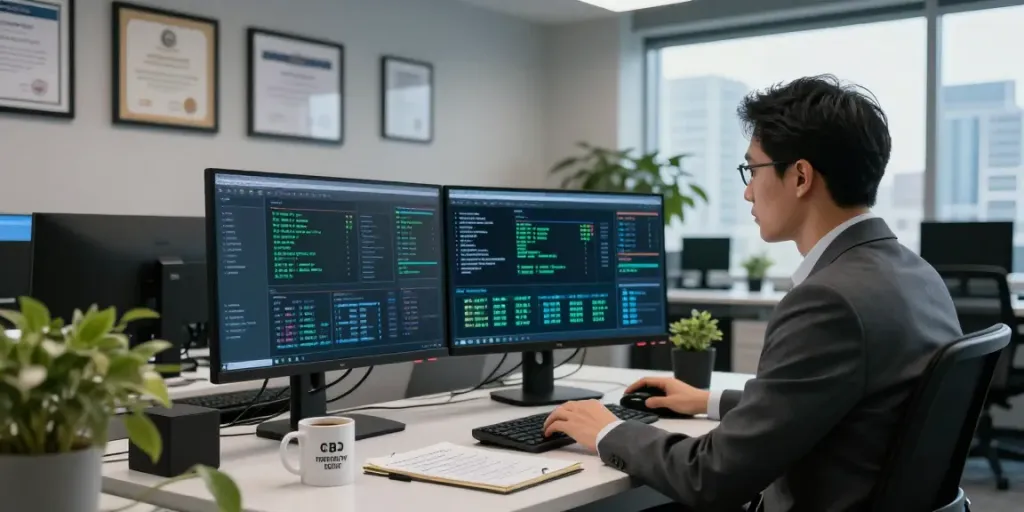
- Record the decision: Keep a plain account of what the sensors saw and why the system acted.
- Give people control: Make it clear how a person can stop the robot or ask for help.
What transparency should show
People need more than a live video feed. They need to know the robot’s job, the data it collects, who can access that data, and what happens when the system makes a mistake.
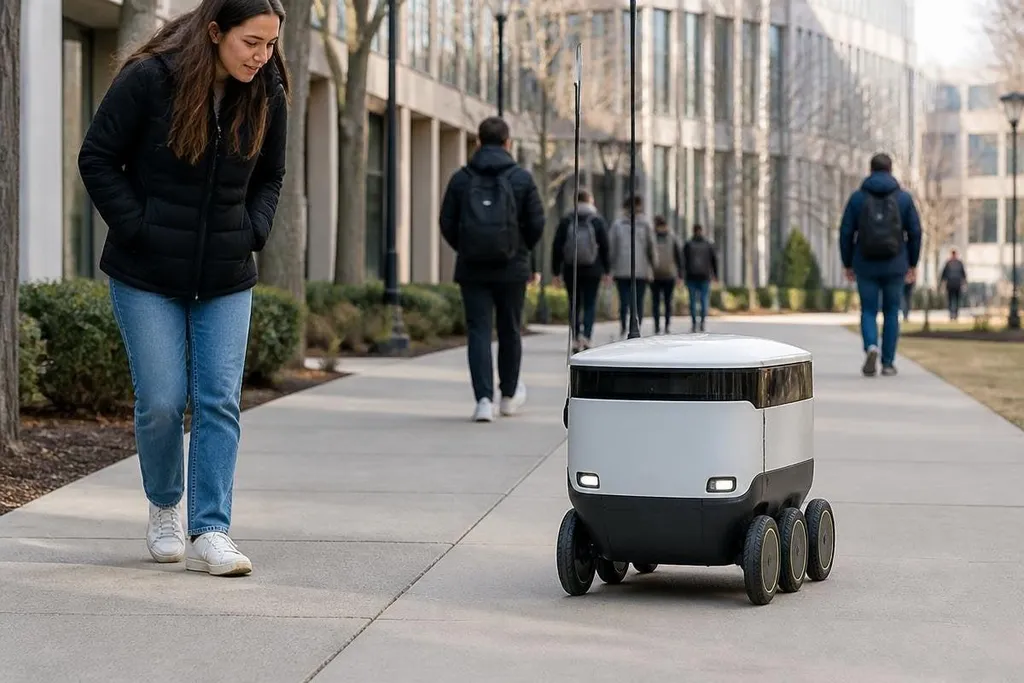
A delivery robot, for example, may use cameras and other sensors to detect people, bikes, doors, and changes in the ground.
A useful explanation would say which sensors are active, how long the recorded data stays on the system, and what the robot does when it cannot classify an object.
That last point matters because uncertainty is part of robot operation. If the system cannot tell whether a shape is a child’s toy or a loose cable, it should have a clear action such as stopping, slowing down, or asking a remote operator for help. People can judge that rule more easily than a vague claim about safety.
Explain decisions in plain language
A robot’s internal software may use many calculations, but the public explanation can stay short. “The robot stopped because a person entered its path” is useful. A screen full of sensor values is harder to check and may hide the decision that matters.
The explanation should also match the event. If a robot pauses because its battery is low, the message should say that. If it changes its route because a door is closed, the system should record the change and show the new route to the person responsible for the site.
This record creates a path for review. A site manager can compare the robot’s report with security video, operator notes, or a maintenance log. That process can find a bad sensor, a poor rule, or a human error before the same problem reaches more people.
That record gains value when people can compare it with independent reporting. Robotics coverage from Robot24.com can place a company’s claim beside the robot’s task, limits, and test record, giving the public a clearer basis for judging what the machine can do.
Trust depends on limits
Transparency also means stating where the robot may fail. A system trained for smooth indoor floors may behave differently on gravel, wet ground, strong sunlight, or crowded paths. The exact limits depend on the robot and its software, so operators should publish the conditions tested and the conditions left untested.
The same rule applies to human oversight. Saying that a person can take control has little value if the operator cannot see the robot’s camera view, does not know why it stopped, or needs too long to act. Control is part of the design, not a line added to a brochure.
Privacy needs the same treatment. People should be able to see when cameras are active, what the robot stores, and who can remove a record. A public notice should use ordinary words and sit where people encounter the robot, rather than hiding the details in a long policy.
A practical check before deployment
Use this list when a robot will work near customers, workers, or pedestrians:
- Name the job: State the task, operating area, and actions outside its permission.
- Mark the sensors: Tell people what the robot can see, hear, measure, or store.
- Set stop rules: List the conditions that make it pause, slow down, or call a person.
- Keep event logs: Record stops, route changes, remote control, faults, and software changes.
- Test the handoff: Check that a trained person can understand the problem and take control.
A clear record also helps the company running the robot. When an incident occurs, staff can review the same facts instead of relying on memory or a polished demo. That makes repairs and rule changes easier to explain to the people affected.
I’d support public robot deployments only when the operator can explain the system’s limits as plainly as its benefits. The useful test is simple: after a robot stops or makes a mistake, can an ordinary person find out what happened and what will change next?